When we sit down for a session of online blackjack or spin the reels of a digital slot, we rarely think about the invisible mathematics unfolding behind the screen. Yet every outcome depends on a piece of software called a Random Number Generator, or RNG. For Canadian players who have confidence in platforms like aller à la page with their time and money, understanding how RNG certifications work is not just a technical curiosity—it is a fundamental consumer right. We hold that transparency builds trust, and nothing is more central to fair play than a properly certified RNG. This article reveals the rigorous processes, independent audits, and regulatory frameworks that ensure every card dealt and every symbol landed is genuinely unpredictable and free from manipulation.
How Does an RNG and Why Does It Matter?
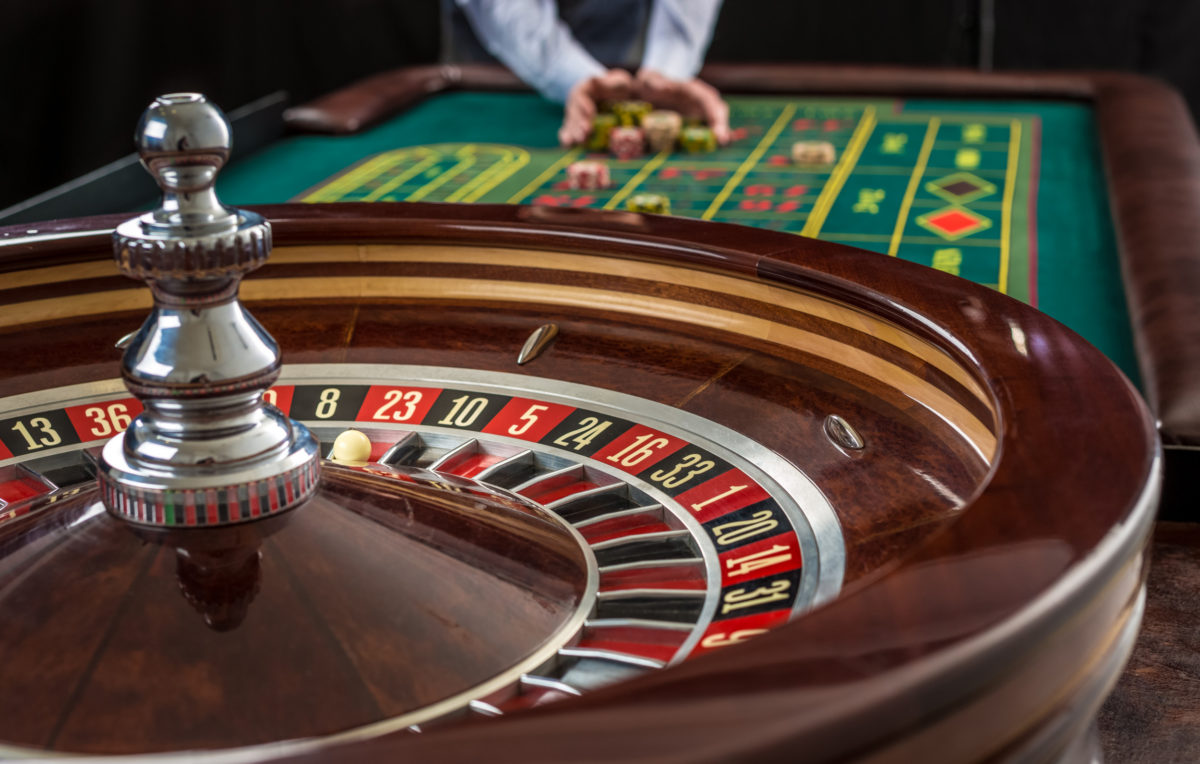
At its core, a Random Number Generator is an algorithm created to produce a sequence of numbers that is without any discernible pattern. In an online casino world, those numbers are converted onto game events—a roulette spin, a poker hand, or the arrangement of symbols on a slot machine. Without a true source of unpredictability, games could be manipulated or fixed, eroding player confidence and breaking gambling regulations across Canada. We use RNGs to simulate the unpredictability of physical dice or randomized cards, but in the digital realm that randomness must be constructed and certified. The distinction between a pseudo-random algorithm and a cryptographically secure one can be the difference between a fair game and a statistical nightmare. That is why certification is necessary: to demonstrate that the underlying code functions as claimed under every imaginable condition.
Widespread Misconceptions About RNGs Explained
Despite the transparency offered by certifications, several myths remain with users. We want to address these misconceptions directly, because they can warp anticipations and damage credibility where it ought to be firmest. Below are several of the most common myths we see:
- Myth: A slot machine that has not paid out in a while is “due” for a win. Each outcome is separate; the RNG has no memory of previous spins, and the odds stay unchanged regardless of past results.
- Misconception: Casinos can flip a switch to tighten or loosen games in real time. Certified RNGs are secured and closed after approval. Any alteration would demand new approval and would be detected during routine audits.
- Misconception: Playing at certain times of day yields better returns. The RNG does not track time or player volume. The algorithm produces numbers constantly, uninfluenced by outside elements.
- Myth: Bonus rounds use a different, less favourable RNG. A certified game uses the identical central RNG for all phases. The return-to-player percentage is calculated holistically across the entire game cycle.
Debunking these misconceptions is part of our educational mission. When players comprehend that certified RNGs are statistically powerless of the behaviours described in these rumours, they can zero in on the enjoyment rather than chasing phantom patterns.
Auditing Bodies: The Watchdogs of iGaming
No trustworthy online casino self-certifies its RNG. In contrast, the industry depends on a select group of worldwide accepted independent testing laboratories that examine software and issue compliance certificates. Organizations such as eCOGRA, iTech Labs, GLI (Gaming Laboratories International), and BMM Testlabs are the gatekeepers of fairness. These organizations utilize mathematicians, cryptographers, and software engineers who dissect code, perform billions of simulated rounds, and verify that the RNG cannot be tampered with after deployment. For Canadian-facing platforms, a certificate from one of these labs signals that the operator has submitted to rigorous external scrutiny. The labs do not simply run a one-time check; they examine the entire game lifecycle, from the seed generation mechanism to the end output shown on a player’s screen, making sure that no concealed backdoors or biased logic exist.
The way Affiliates May Verify Fairness Claims
Affiliates hold a special position of trust between operators and players. When a website promotes Slotoro Casino or any other brand, its audience expects honest recommendations backed by evidence. We suggest our affiliate partners to look beyond the surface and verify RNG certifications directly. The first step is to identify the testing laboratory’s seal on the casino’s homepage or legal page, then click through to the certificate itself. Legitimate certificates include a date range, a list of games covered, and a unique identifier that can be cross-referenced on the lab’s website. Affiliates should also check whether the operator’s licensing body requires periodic RNG audits and whether those audits are publicly summarized. By performing this due diligence, affiliates protect their own credibility and help raise industry standards. We make this process straightforward by providing direct access to our certification documentation and remaining available to answer any technical questions our partners may have.
The Core Principles of Impartial Random Number Generation
Equity in RNG design is based on three foundations: unpredictability, even distribution, and non-repetition over a suitably lengthy period. Unpredictableness means that no participant, manager, or outside viewer can anticipate the next result with any advantage. Even distribution assures that over numerous of cycles, every potential outcome shows up with the anticipated rate—a roulette wheel that ends on black 60 percent of the time over a billion spins would not pass this test. Non-repeatability, often assessed by the algorithm’s period length, guarantees that the sequence does not repeat in a way that could be abused. Contemporary certified RNGs employ cryptographic hash functions or physical entropy sources to meet these demands. When a examination center examines an RNG, it runs statistical batteries like the NIST test suite or Diehard tests, looking for subtle biases that could alter the house edge beyond what is publicized.
How Slotoro Casino Emphasizes Certified RNGs
At Slotoro Casino, we have developed our reputation on a cornerstone of verifiable fairness. Every game offered on our platform—from classic table games to the latest video slots—functions on an RNG that has been verified by a globally recognized testing laboratory. We do not rely on vague promises; we share the certification details and invite players to verify them independently. This commitment extends to our affiliate partners, who can assuredly promote a brand that stands up to scrutiny. For Canadian users, this means that when they log into Slotoro Casino, they are playing with a product that meets the standards set by provincial regulators. We consider RNG certification not as a marketing bullet point but as a non-negotiable operating principle. It is the system that guarantees the house edge is exactly what we disclose, nothing more, and that every player has a genuine shot at a fair result.
The way RNG Certifications Are Earned (Stage by Stage)
Acquiring an RNG certification represents a multi-stage process that might require weeks or even months. We have seen the procedure firsthand and can outline the typical journey a game provider must complete before a badge of approval appears on a casino’s footer. The process is intended to leave no stone unturned, merging source code review, statistical analysis, and live environment monitoring. Here you have a abbreviated look at the path from submission to certification:
- Source Code Submission: The developer delivers the complete RNG source code, along with all associated libraries and seeding routines, to the testing laboratory under strict non-disclosure agreements.
- Static Code Analysis: Engineers analyze the logic for vulnerabilities, deterministic shortcuts, or hardcoded values that might undermine randomness.
- Statistical Output Testing: The lab generates massive datasets—often hundreds of billions of outcomes—and runs them through standardized test suites to identify bias, periodicity, or correlation anomalies.
- Entropy Source Validation: If the RNG employs a hardware-based entropy collector or an environmental noise sampler, the lab checks that the entropy source is authentic and not simulated.
- Integration Review: Testers examine how the RNG interfaces with the game engine, verifying that no intermediate layer can change the raw numbers before they are converted into game results.
- Ongoing Monitoring Agreement: Certification is not permanent; the operator agrees to periodic re-evaluations and remote integrity checks to ensure the RNG remains unchanged.
Only after satisfying all these requirements can a laboratory issue a formal certificate, which the casino may then present to licensing authorities and display to players. This certificate often contains a unique reference number that anyone can verify on the laboratory’s public register, offering another layer of accountability.
The Role of Licensing Authorities in Canada
Canada’s gambling landscape is a mosaic of provincial and territorial regulations, but one common thread is the emphasis on certified RNGs. In Ontario, for example, iGaming Ontario demands all registered operators to use games that have been tested by an accredited independent laboratory. Similarly, the Kahnawake Gaming Commission, which licenses many platforms serving Canadian residents, stipulates that RNGs meet strict technical standards. Even in provinces where online gambling is managed by a crown corporation, the underlying technology must pass periodic audits. We view these regulatory demands as a protective net for players. When Slotoro Casino aligns its operations with such requirements, it is not merely checking a box; it is proving a commitment to a fair ecosystem where the outcome of every spin is beyond reproach. The licensing framework also provides a clear escalation path for disputes, strengthening the credibility of the entire system.
The Future of RNG Technology and Regular Audits

RNG technology is not unchanging. As computing power advances and cryptographic techniques progress, the benchmarks for randomness become more demanding. We are already observing a shift toward quantum entropy sources and blockchain-based verifiable randomness, which could enable players to check game outcomes without assistance without relying solely on a laboratory’s word. Meanwhile, regulatory bodies in Canada and abroad are tightening their oversight, requiring more frequent re-certifications and real-time monitoring feeds. At Slotoro Casino, we applaud these developments because they correspond to our philosophy of radical transparency. Ongoing audits—often conducted monthly or quarterly—make sure that the RNG code deployed on our servers corresponds to the version that was originally approved. Any deviation, even an innocent software patch, initiates a re-evaluation. This continuous cycle of testing and verification is the real story behind RNG certifications: it is not a one-time achievement but a permanent commitment to integrity.
We have examined the architecture of fair play, from the mathematical foundations of randomness to the laboratories that regulate it and the regulations that uphold it. RNG certifications are the silent guardians of every honest spin, deal, and roll. For Canadian players and affiliates alike, knowing how to understand and confirm these credentials converts a simple trust statement into a verifiable fact. At Slotoro Casino, we remain dedicated to upholding the highest standards of RNG integrity, because a certified game is the only kind of game worth playing.